Kozhikode, Kerala — A long-forgotten story about two practitioners of Kalaripayattu from Malabar who travelled to Australia during the colonial era has resurfaced through the research of a German-born writer based in the United States. What began as a journey to earn a living through martial arts performances ultimately ended in tragedy.
The story centres on Mahomet Cassim and his companion, Mahomet Abdallah, two Muslims from Malabar who travelled to Australia in the 1850s, when the region was under British rule. The two performed Kalaripayattu before audiences in various parts of Australia.
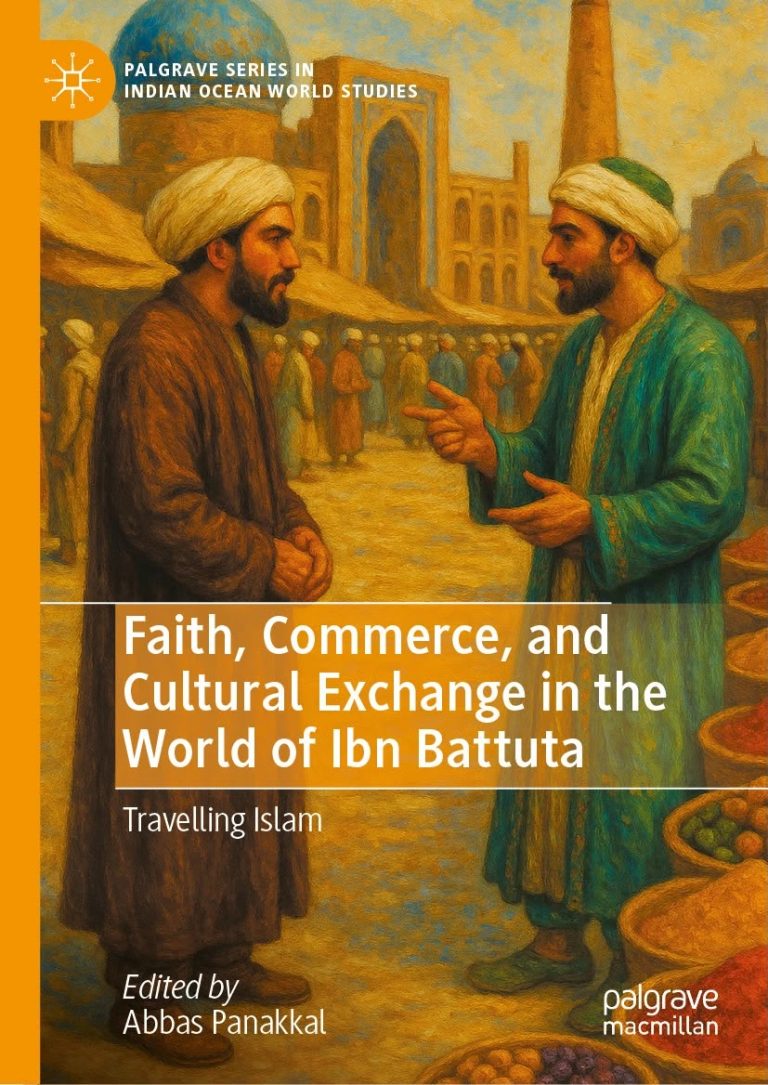
Their story was documented by William Gilcher in his book, Faith, Commerce, and Cultural Exchange in the World of Ibn Battuta. In his work, Gilcher compares the experiences of the two Malabar performers with those of German travelling performers who also journeyed to Australia.
According to Gilcher, Cassim and Abdallah faced discrimination and cultural misunderstanding during their time in Australia. Their limited command of English, combined with their Muslim faith and skin colour, distinguished them from the European colonists around them.
Because local audiences were unfamiliar with Kalaripayattu, the two were even referred to as “Indian jugglers.”
Language Barriers and the Loss of Their Earnings
Their difficulties in communicating led Cassim and Abdallah to appoint a manager from Kolkata. However, the arrangement eventually created another problem. At one point, their manager disappeared with the money they had earned from their performances.
In search of further employment, the two subsequently joined Henry Burton, the owner of the National Circus, described as the most important performing company among the Australian colonies under British rule.
Another important figure associated with the company was the German musician Michael Gilcher.
After working alongside Michael Gilcher and Henry Burton, Cassim and Abdallah began to establish themselves as popular performers. Despite their limited English, they attracted audiences and received positive reviews for their performances.
Their fortunes, however, would soon change dramatically.
A Murder Charge That Ended in Tragedy
In 1863, human remains believed to belong to their former manager were discovered in a village. Cassim and Abdallah were subsequently arrested and charged with murder.
The two stood trial and were eventually sentenced to death. Abdallah’s sentence was later commuted to life imprisonment.
Cassim, meanwhile, faced execution. Gilcher records that Cassim chose to face his death as a martyr.
In the final days of his life, Cassim prepared himself by reading the Qur’an, particularly passages concerning death.
Abdallah was eventually released from prison. He is believed to have died while travelling from Sydney to Ceylon, now known as Sri Lanka.
Victims of Being Seen as Different
In his research, Gilcher portrays Cassim and Abdallah as victims of what he describes as “otherness” — a condition in which individuals are perceived as fundamentally different from the dominant group.
Their differences included their limited English, religious beliefs, skin colour and unfamiliarity with the British legal system.
Their story also raises questions about why two groups of travelling performers who arrived in Australia during the same period could experience such dramatically different outcomes.
While Michael Gilcher and his “Little German Band” were able to establish themselves in Australia, the journey of Cassim and Abdallah ended in tragedy.
Cassim’s Unmarked Grave in Australia
Cassim was buried in an unmarked grave beside an Anglican cemetery in Goulburn.
According to Gilcher, it remains unknown how Cassim’s family in Malabar received news of their son’s death at the hands of the British gallows. It is also unknown whether his family ever learned of the steadfastness he displayed during the final moments of his life.
The editor of the book, Abbas Panakkal, considers the discovery of records about Cassim and Abdallah’s journey significant for understanding the history of people from the Malabar region who travelled across the seas.
According to Panakkal, the two were not merely labourers. They were skilled performing artists and accomplished practitioners who appeared in acrobatic performances on the international stage.
Their story demonstrates that people who travelled across the seas during that period came from diverse social and professional backgrounds, including individuals with particular skills and talents.
The rediscovery of their story offers a glimpse into a lesser-known chapter of Malabar’s overseas history and the difficult experiences faced by travellers who found themselves far from home in a colonial world.
Source: www.newindianexpress.com